



 zaari
zaari
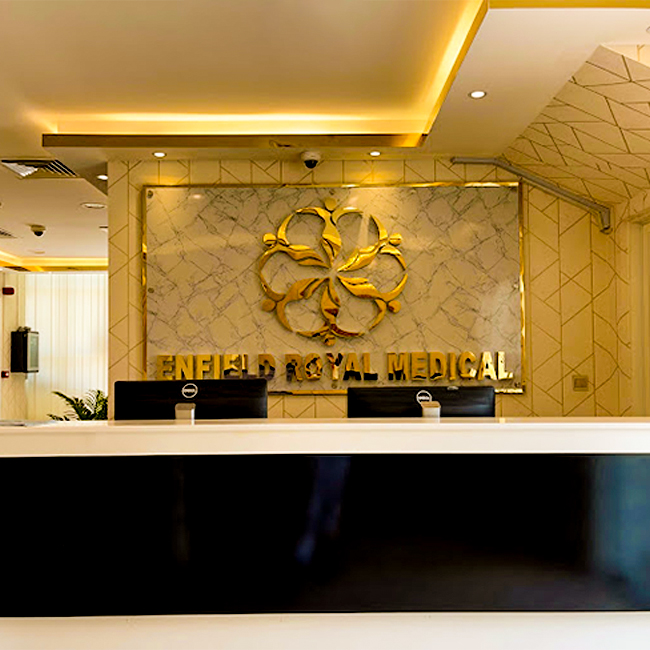
Trust is the foundation of any successful healthcare relationship, particularly when it comes to long-term wellness. Patients today seek clinics that offer not just immediate treatment but ongoing support, preventive care, and a personalized approach to maintaining health. Royal Clinic Saudi Arabia has earned a reputation for reliability and excellence by combining medical expertise, advanced technology, and compassionate care, ensuring patients feel confident in their health journey both now and in the years to come.
Personalized Care for Every Patient:
Patients trust healthcare providers that treat them as individuals rather than statistics. Personalized care involves understanding each patient’s medical history, lifestyle, and wellness goals to create tailored treatment plans. By focusing on individual needs, clinics can optimize outcomes, prevent complications, and support sustained health. Key aspects of personalized care include:
-
Customized treatment and wellness plans
-
Detailed medical consultations and follow-ups
-
Lifestyle and dietary guidance
-
Adjustments based on patient progress and feedback
Preventive Healthcare for Long-Term Benefits:
Preventive care is a cornerstone of maintaining long-term wellness. Patients are reassured when clinics prioritize early detection, routine screenings, and risk assessment to address potential issues before they become critical. By focusing on prevention, healthcare providers reduce the likelihood of serious illness and support ongoing health. This approach includes:
-
Regular health screenings and check-ups
-
Vaccination programs and preventive treatments
-
Risk assessment for chronic conditions
-
Patient education on healthy lifestyle practices
Defining Excellence in Healthcare:
Excellence in healthcare goes beyond achieving successful procedures—it encompasses the overall patient experience, safety, and outcomes. It requires rigorous standards, continuous improvement, and alignment with global best practices. Key components include:
-
Commitment to evidence-based medicine
-
Consistent quality monitoring and evaluation
-
Implementation of international healthcare standards
-
Fostering a culture of accountability and professionalism
Patient-Centered Philosophy:
Placing the patient at the heart of healthcare decisions is essential for delivering meaningful outcomes. A patient-centered approach prioritizes empathy, communication, and shared decision-making. Patients are treated as partners in their care, with their preferences, concerns, and goals guiding medical plans. This philosophy enhances trust, satisfaction, and long-term wellness while ensuring every individual receives tailored attention and support.
Integration of Advanced Technology:
Innovation is a cornerstone of modern healthcare excellence. Advanced diagnostic tools, minimally invasive procedures, and precision-based treatment strategies improve accuracy and recovery times. Technology also enables real-time monitoring, seamless record-keeping, and more efficient workflows, allowing clinicians to focus on patient care rather than administrative burdens. Key advantages of integrating technology include:
-
Faster and more accurate diagnoses
-
Personalized treatment planning
-
Reduced procedural risks
-
Improved patient convenience and engagement
Expertise of World-Class Medical Professionals:
A clinic’s commitment to excellence is defined by the caliber of its medical team. Highly trained and internationally experienced physicians, surgeons, and specialists bring world-class expertise to every patient interaction. Multidisciplinary collaboration ensures comprehensive care, where multiple perspectives are considered to develop the most effective treatment plans. Patients benefit from:
-
Access to top-tier specialists across multiple disciplines
-
Coordinated care plans designed for complex cases
-
Evidence-based approaches informed by global medical practices
-
Continuous professional development and training for staff
Holistic Approach to Wellness:
Excellence in healthcare extends beyond treating immediate conditions; it encompasses holistic well-being. Clinics that focus on preventive care, lifestyle guidance, and emotional support help patients achieve long-term health goals. This approach ensures patients are not only treated for illness but also empowered to maintain optimal health over time. Core elements include:
-
Preventive screenings and early detection
-
Lifestyle counseling and education
-
Mental and emotional health support
-
Continuous follow-up and wellness planning
Commitment to Safety and Ethical Standards:
High-quality healthcare prioritizes patient safety and ethical responsibility at every step. Rigorous safety protocols, risk assessment models, and ethical guidelines are integrated into daily operations to minimize errors and protect patient welfare. By maintaining transparent and ethical practices, clinics build trust and ensure that excellence is reflected not only in outcomes but also in integrity.
Designing a Patient-Friendly Environment:
The physical and operational environment plays a significant role in shaping patient experience. Comfortable spaces, efficient processes, and attention to privacy contribute to both emotional and physical well-being. Thoughtful design, coupled with attentive service, ensures that patients feel respected, cared for, and reassured throughout their healthcare journey. Features of a patient-friendly environment include:
-
Calm and welcoming reception areas
-
Private consultation and treatment rooms
-
Streamlined scheduling and reduced waiting times
-
Staff trained in empathetic and professional communication
Continuous Research and Innovation:
Excellence requires a commitment to learning and innovation. By staying abreast of emerging medical research, testing new approaches, and refining treatment protocols, leading clinics ensure that patients benefit from the latest advancements in care. This dedication to progress ensures long-term improvements in outcomes, efficiency, and patient satisfaction. Key activities include:
-
Participation in clinical trials and research programs
-
Implementation of new medical technologies and therapies
-
Regular review and improvement of clinical protocols
-
Collaboration with international healthcare institutions
Expertise of Highly Qualified Professionals:
Patients trust clinics staffed with experienced, internationally trained professionals who can provide accurate diagnoses and effective treatment plans. Expertise ensures that complex cases are managed efficiently and that patients receive care aligned with global best practices. Royal Clinic Saudi Arabia prioritizes recruitment and training of world-class specialists, offering patients confidence in every consultation. Benefits of expert care include:
-
Accurate and timely diagnoses
-
Evidence-based treatment decisions
-
Access to multidisciplinary medical teams
-
Continuous professional development of staff
Integration of Advanced Technology:
Advanced medical technology enhances trust by improving diagnostic accuracy, treatment precision, and procedural safety. Patients are reassured knowing that their healthcare provider uses modern tools and systems to deliver reliable results. Technology also enables efficient record management and streamlined communication, supporting continuity of care. Key technological advantages include:
-
State-of-the-art imaging and diagnostic equipment
-
Minimally invasive and precision-based procedures
-
Electronic health records for comprehensive monitoring
-
Remote follow-up and telemedicine capabilities
Holistic Approach to Wellness:
Long-term health requires more than treating illness—it involves supporting physical, mental, and emotional well-being. Clinics that embrace a holistic approach provide integrated care that considers lifestyle factors, stress management, and preventive measures. Patients trust providers who address the whole person, not just individual symptoms. Holistic care strategies include:
-
Mental health and stress management support
-
Nutrition and exercise counseling
-
Chronic disease management programs
-
Integration of complementary therapies when appropriate
Continuity of Care and Follow-Up:
Trust is reinforced when patients experience consistent care over time. Clinics that prioritize continuity maintain long-term records, schedule regular follow-ups, and provide guidance throughout recovery or maintenance phases. This ensures patients feel supported and reduces gaps in care. Continuity of care involves:
-
Ongoing monitoring of treatment outcomes
-
Regular follow-up appointments and check-ins
-
Coordination among specialists for complex conditions
-
Accessible communication channels for questions and concerns
Emphasis on Safety and Ethical Practices:
Patients feel secure when clinics uphold rigorous safety standards and ethical practices. Ensuring that every procedure, treatment, and consultation adheres to international safety guidelines strengthens trust and builds confidence in long-term care. Royal Clinic Saudi Arabia emphasizes transparency, informed consent, and adherence to global healthcare ethics. Core safety and ethical practices include:
-
Strict infection control protocols
-
Evidence-based treatment and procedure standards
-
Transparent communication about risks and benefits
-
Respect for patient autonomy and privacy
Education and Empowerment of Patients:
A clinic that invests in patient education empowers individuals to take an active role in their health. Trust grows when patients understand their conditions, treatment options, and preventive strategies. Empowered patients are more likely to follow medical advice, adhere to wellness plans, and make informed decisions. Educational initiatives include:
-
Workshops on healthy living and disease prevention
-
Clear explanations of treatment procedures and outcomes
-
Personalized guidance on lifestyle adjustments
-
Resources for ongoing learning about health and wellness
Commitment to Long-Term Outcomes:
Long-term wellness requires a focus on outcomes that extend beyond immediate treatment. Clinics that track progress, adjust care plans, and support lifestyle changes demonstrate a commitment to sustained health. Patients trust providers who prioritize long-term benefits over short-term fixes. Strategies for ensuring long-term outcomes include:
-
Regular assessment of patient progress
-
Adjusting treatment based on evolving health needs
-
Encouraging adherence to wellness routines
-
Collaboration with patients to achieve personal health goals
Final Thoughts
Trust is earned through consistent quality, personalized attention, and a commitment to patient-centered care. By combining expert medical teams, advanced technology, holistic strategies, and preventive approaches, Royal Clinic Saudi Arabia has become a trusted partner for patients seeking long-term wellness. Through dedication to safety, education, and continuous support, the clinic ensures that individuals feel confident, empowered, and cared for throughout their health journey.
This post was created with our nice and easy submission form. Create your post!