



 Ganesh
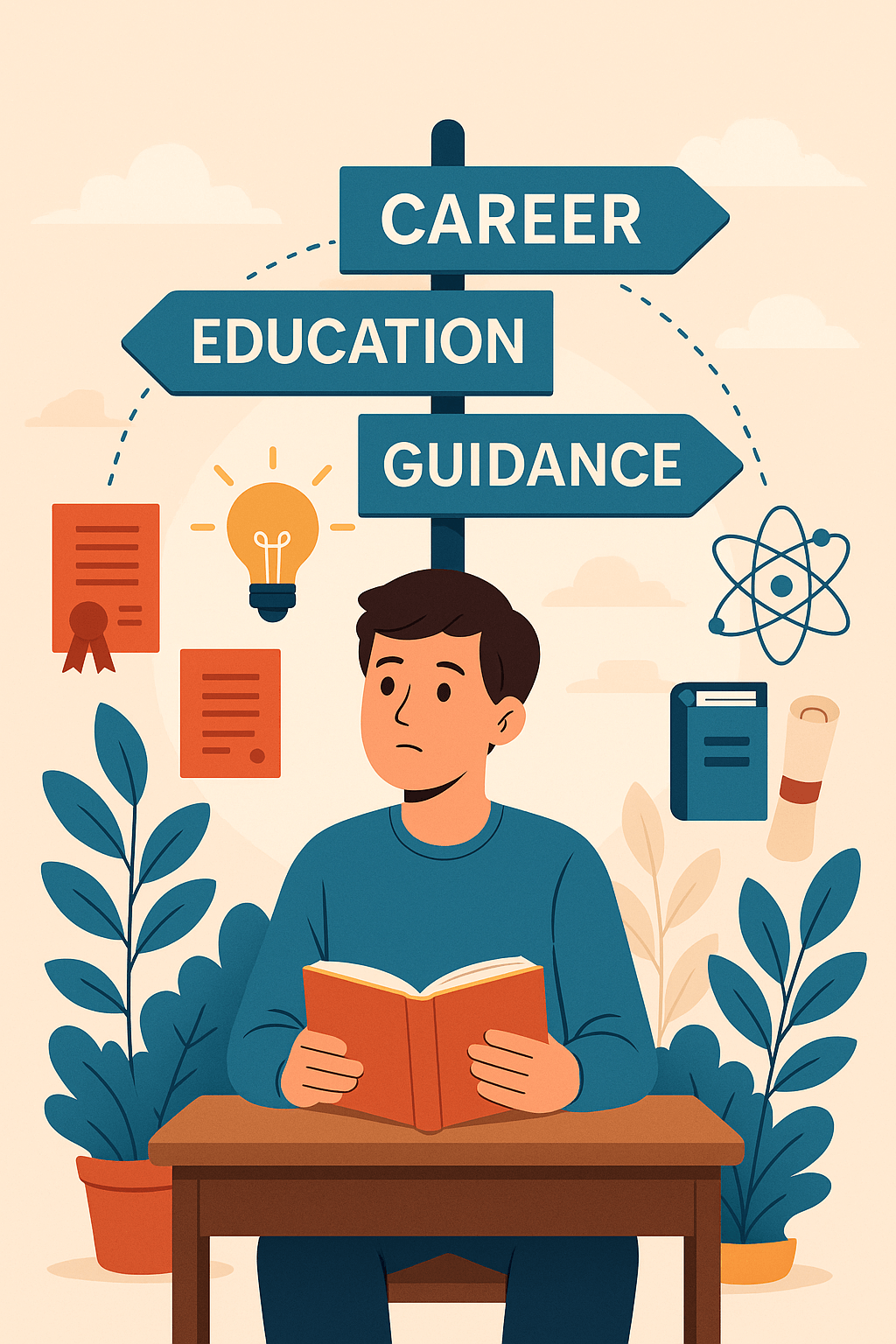
Choosing the right career path can be challenging for students. With evolving industries, new technologies, and changing global demands, students often feel overwhelmed when it comes to making the right decisions. Education plays a central role in preparing them, but guidance at the right time is equally important. Without proper direction, students may make choices that don’t align with their interests, skills, or long-term goals.
This article provides insights into how students can navigate their educational journey, what factors to consider when planning a career, and the kind of support systems that make a difference during this stage.
The Relationship Between Education and Career
Education is often seen as the first step toward building a successful career. It not only helps in gaining academic knowledge but also builds discipline, social awareness, and problem-solving skills. More than just degrees, it’s the foundation for real-world preparedness.
There’s a growing need to align educational choices with practical career goals. For instance, a student passionate about biology should not just aim for a science degree, but also be aware of career options such as biotechnology, healthcare, environmental science, and research roles.
Similarly, technical skills in fields like coding, data analysis, and digital design are in demand. Students who understand how these skills apply to modern jobs can make smarter educational choices.
Key Takeaway:
Education shapes the mindset and skills students need for future work. When academic choices match industry demands, students find better career opportunities and enjoy more meaningful work experiences.
Read:- animation courses and fees
Common Career Planning Mistakes Students Make
Many students make decisions based on what others are doing or what seems “safe.” Here are a few frequent missteps:
-
Following the crowd: Choosing streams or courses just because peers or siblings did.
-
Ignoring interests: Ignoring personal strengths and passions in favour of popular fields.
-
Short-term thinking: Focusing on immediate salary or status instead of long-term growth and satisfaction.
-
Lack of research: Not understanding what a particular career really involves in terms of skills, work culture, or job roles.
Career decisions should be made based on personal aptitude, market needs, and long-term goals not assumptions or external pressure.
Key Takeaway:
Mistakes in career planning often come from lack of research or following trends blindly. Students benefit most when they choose based on their interests and future goals, supported by reliable information and guidance.
Role of Career Guidance and Mentorship
Career guidance plays a crucial part in helping students understand their options. Whether it’s a school counsellor, a professional mentor, or an online career coach, these resources help students:
-
Identify their strengths and weaknesses.
-
Match their personality with suitable career paths.
-
Learn about new and emerging job roles.
-
Understand educational routes, including degrees, certifications, or apprenticeships.
-
Prepare for competitive exams or job interviews.
A strong guidance system helps bridge the gap between academic learning and real-world application. Mentorship from experienced professionals also gives students a glimpse into practical challenges and rewards in various fields.
Key Takeaway:
Timely guidance empowers students to make smarter choices. With mentors or career coaches, they gain clarity about their strengths and explore paths they might not have considered on their own.
Read:- CUET Result 2025
Adapting to Changing Career Landscapes
The job market is evolving faster than ever. Roles in AI, cybersecurity, renewable energy, and digital marketing didn’t exist a decade ago. Traditional jobs are also being redefined by automation and remote work trends.
Students today must learn to be flexible. This means:
-
Staying updated with new industry trends.
-
Developing transferable skills like communication, collaboration, and critical thinking.
-
Pursuing internships or projects that provide real-life experience.
-
Keeping learning alive beyond school or college.
Choosing a career is no longer a one-time decision. It’s a process of continuous learning and adaptation. Having a base of diverse skills gives students more freedom to shift roles as the market changes.
Key Takeaway:
A flexible mindset helps students adjust to changing job markets. Rather than sticking to one path, those who embrace lifelong learning and skill-building stay relevant and find better opportunities.
The Role of Parents and Teachers
Parents and educators play a big role in shaping a student’s career direction. However, the influence must be balanced with the student’s own preferences and ambitions.
-
Parents should support exploration rather than forcing a particular path. They should encourage open conversations about goals, interests, and possible challenges.
-
Teachers can observe strengths in subjects or behaviours and recommend suitable fields or activities. They can also connect students to additional resources, like scholarships or vocational training options.
Supportive adults can make a significant difference, especially during confusing or stressful decision-making periods.
Key Takeaway:
Positive influence from parents and teachers helps students feel supported. Open conversations and respectful suggestions create a safe space for young individuals to make decisions they’ll be proud of in the future.
Read:- how to become an air hostess
The Importance of Self-Assessment
Before choosing a course or career, students should spend time understanding themselves. Tools like aptitude tests, personality quizzes, or SWOT (Strengths, Weaknesses, Opportunities, Threats) analysis can provide useful insights.
Some useful self-assessment questions:
-
What subjects do I enjoy most?
-
What kind of work environment suits me indoors, outdoors, team-based, solo?
-
Do I enjoy working with people, machines, data, or ideas?
-
What skills come naturally to me?
-
What challenges do I enjoy solving?
Honest answers help reduce confusion. With this self-awareness, students are more likely to choose a satisfying and sustainable career.
Key Takeaway:
Knowing oneself is a key part of career planning. When students understand their own strengths and preferences, they can make informed decisions and avoid regret later on.
Guidance Resources Every Student Should Know
Here are some tools and platforms that can support students in their journey:
-
Government career portals (e.g., National Career Service – India, UCAS – UK)
-
Skill-building platforms (Coursera, Skillshare, edX)
-
Job shadowing opportunities or field visits
-
Online counselling and mentorship platforms
-
Career fairs and webinars
Using these platforms regularly can expose students to various possibilities and give them a head start compared to their peers.
Key Takeaway:
Online and offline resources offer a range of tools for career planning. When students explore these early, they gain a better view of what’s possible and how to reach their ideal goals.
Conclusion
Career planning isn’t something students should postpone. With a combination of good education, personal awareness, and external support, they can move forward with confidence. The key lies in asking the right questions, doing the right research, and seeking help when needed. A future filled with meaningful work and growth is possible when choices are made with care and clarity.
Final Takeaway:
Success doesn’t come from luck it comes from planning, awareness, and guidance. By starting early and staying informed, students can shape a rewarding future that aligns with their strengths and dreams.


Comments
0 comments